Introduction
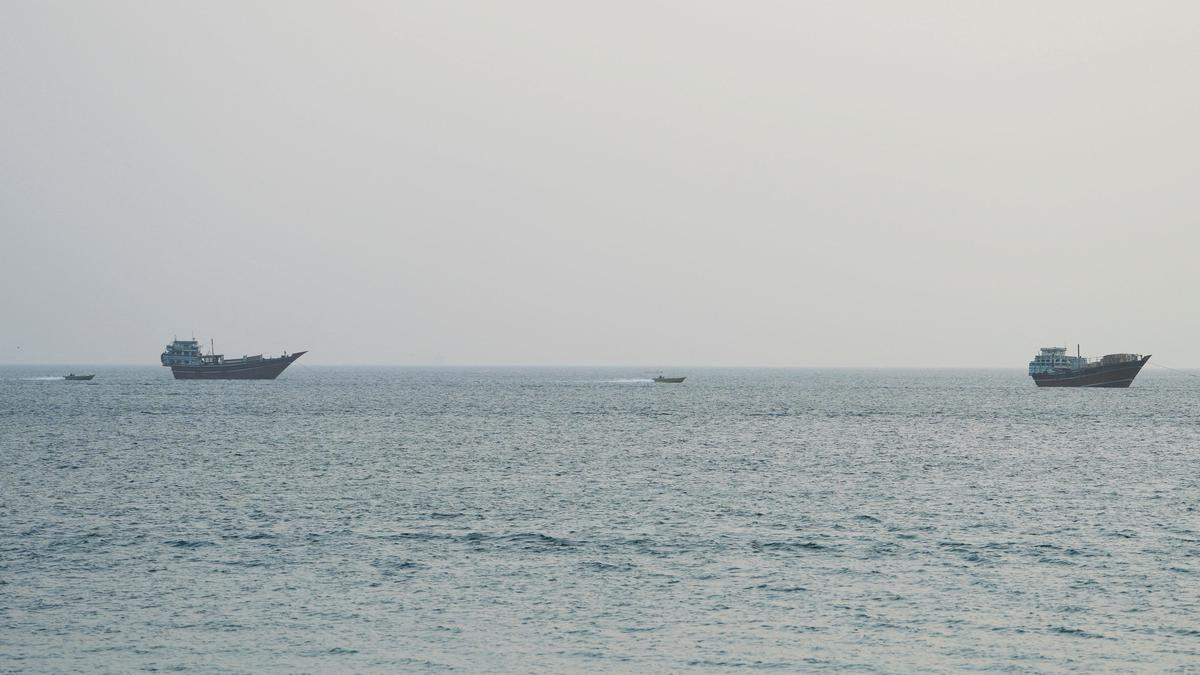
The United States has officially put its naval blockade of Iranian ports into effect, marking a significant escalation in tensions between Washington and Tehran. The move is part of a broader strategy aimed at increasing economic and military pressure on Iran while limiting its maritime activities.
The blockade has already drawn international attention, with governments, shipping companies, and energy markets closely monitoring the situation for signs of further escalation.
Blockade Officially Begins
The U.S. naval blockade began after military and government officials completed preparations to enforce restrictions on maritime traffic connected to Iranian ports.
The operation is designed to monitor and restrict vessels suspected of transporting prohibited goods or supporting activities that the United States says threaten regional security.
Naval forces have increased their presence in strategic waters surrounding the Persian Gulf and nearby shipping lanes.
Purpose of the Blockade
According to U.S. officials, the blockade is intended to increase pressure on Iran by limiting its ability to conduct maritime trade and transport materials considered important to its military and economic activities.
The United States says the operation is part of a broader effort to deter actions that could destabilize the Middle East while encouraging Iran to return to diplomatic negotiations.
Officials emphasized that the blockade is focused on enforcing national security objectives rather than disrupting legitimate international commerce.
Iran Condemns the Move
Iran strongly criticized the implementation of the blockade, calling it an unlawful action that threatens regional stability and international trade.
Iranian leaders warned that the country reserves the right to respond to any measures affecting its sovereignty or maritime operations.
Officials also indicated that additional actions could be taken if pressure from the United States continues to increase.
Impact on Global Shipping
The blockade has created uncertainty for commercial shipping companies operating in the region.
Many shipping firms are reviewing their routes and security procedures as concerns grow over possible delays, inspections, or increased military activity near major shipping corridors.
Businesses involved in international trade are also assessing the potential impact on transportation costs and delivery schedules.
Energy Markets Remain Alert
Global energy markets are closely watching developments because the Middle East is one of the world’s most important oil-producing regions.
Any disruption to maritime transportation could affect the movement of crude oil, refined petroleum products, and liquefied natural gas, potentially influencing energy prices worldwide.
Market analysts expect continued volatility as investors respond to political and military developments.
International Reactions
Several governments have called for restraint and urged both sides to avoid further escalation.
Diplomatic efforts continue as international leaders seek to reduce tensions and prevent any actions that could threaten freedom of navigation or regional security.
Many countries have emphasized the importance of keeping major shipping routes open to support global trade and economic stability.
What Comes Next?
The implementation of the blockade marks the beginning of what could become a prolonged period of heightened tensions.
Analysts believe future developments will depend on how Iran responds and whether diplomatic channels remain open. Any military confrontation or disruption to international shipping could have far-reaching consequences for the global economy.
The coming weeks are expected to be closely watched by governments, investors, and shipping companies around the world.
Conclusion
The U.S. naval blockade of Iranian ports represents a major escalation in the ongoing dispute between Washington and Tehran. While the United States says the operation is intended to strengthen regional security and increase pressure on Iran, the move has raised concerns about its impact on global trade, energy supplies, and geopolitical stability.
As both sides continue to exchange warnings, the international community will be watching closely to see whether the crisis moves toward diplomacy or further confrontation.